
Following Florida College Lectures, the college offered some special sessions for “Golden Grads.” (It’s a nice way to say we’re old.) Actually, students who attended FC 50 years ago or more.
On Saturday morning, my good friend, confidant, and preaching colleague, Ralph Walker, shared some thoughts from Genesis 4 about Cain’s sin, which provided and prompted the impetus for today’s blog post.
Ralph opined that we usually focus more on the first sin committed by Adam and Eve in the Garden of Eden, namely, eating the forbidden fruit. While its consequences were devastating to both them and their descendants, and even you and me today, Cain’s transgression is in some ways more serious in terms of the attitude that fueled it and its application to us today.
Eve’s sin is often compared to Jesus’ temptation by the Devil and the statements in 1 John 2:15-17. Satan used the age-old tools of the lust of the flesh, the lust of the eyes, and the pride of life to seduce Eve to sin.
While Eve’s sin was born of persuasion and involved deception and desire, Cain’s sin flowed from a hardened, resentful heart that refused correction.”
Genesis 4 is not merely an ancient story of fratricide; it is a mirror reflecting dangers of the heart that still threaten God’s people today.”
When you read the text, you learn that both he and his brother Abel offered a sacrifice to God. Abel, the keeper of sheep, offered a lamb. Cain, the “tiller of the ground,” offered God the “fruit of the ground.” The Bible says God was pleased with Abel’s sacrifice, but Cain’s offering displeased God.
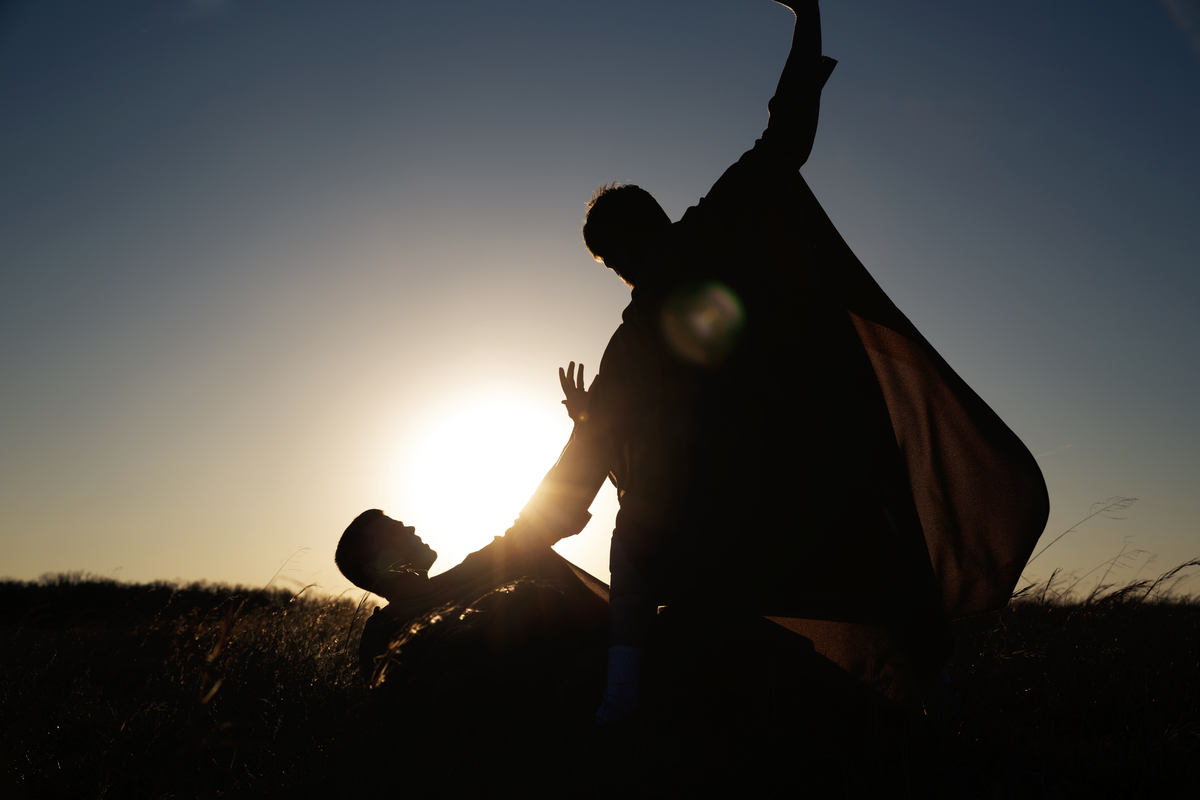
As a result, Cain was downcast, angry, and resentful. At an opportune time, he “rose up against Abel his brother and killed him.”
Note the nature of this sin that we must beware of today.
#1 Cain’s sin was premeditated.
It wasn’t a matter of persuasion. Or a slip-up. Or being caught up in a lustful moment. It was deliberate. Intentional. And willful. He consciously and knowingly committed this horrible act against his own brother.
Why? What would cause him or anyone to commit such an act?
#2 Cain’s sin was fueled by jealousy.
It’s apparent in the text that Cain was upset that Abel’s sacrifice was accepted and his was rejected. Instead of learning from his mistake, he became jealous of his brother’s acceptance. The sin of jealousy led him into other attitudinal sins that culminated in his sinful action.
Jealousy blinds our eyes to right and wrong. We often speak of someone committing a violent act with the description “in a rage of jealousy. The wise man spoke of jealousy as “the rage of a man” (Prov. 6:34). Cain’s jealousy bubbled up within him, leading to anger, bitterness, and resentment.
Similarly, we recall later in Genesis that Joseph’s brothers became envious and jealous of him, threw him in a pit, and planned to kill him. Instead, they later sold him into slavery.
Jealousy is an insidious sin that eats away at a person’s soul. Or, as John Dryden put it, “Jealousy is the jaundice of the soul.” Indeed, “where jealousy and selfish ambition exist, there will be disorder and every vile practice” (James 3:16)
#3 Cain’s sin was encouraged by an unguarded heart.
When Cain’s “countenance fell,” and he began to sulk, God warned him of the seriousness of his attitude. “And if you do not do well, sin lies at the door. And its desire is for you, but you should rule over it.”
One version renders this: “sin is crouching at the door.” Sin is personified as a ravenous, wild animal ready to strike, lurking at the door of the heart. Like a lion stalking its prey, sin is hunched down, ready to leap and actively devour you.
Note, however, the symbolism of the door. The dangerous “animal” is on the other side of the door. It’s near. It’s dangerously close. But you have to open the door. God’s warning implies both danger and responsibility—sin is powerful, but not irresistible.
How many people have been devoured by sin who failed to heed the warning? To see sin’s seriousness? Sin’s consequences?
Sadly, Cain didn’t listen. He opened the door that led to shedding the blood of his own brother.
While we may not literally take our brother’s life, how many relationships have been ruptured by cruel, cutting words that wound another’s heart? By devious deeds that defile? By envious actions that deprive a loved one of what’s rightfully theirs? By jealous behavior that kills one’s filial affection? That sows discord and divides churches? That splits up families into warring factions? Long before sin spills blood, it poisons hearts.
Ralph offered a thought that hadn’t occurred to me. Wonder how Adam and Eve felt? How did this affect their family? They had already lost their paradise home due to their sin. They lost their intimate relationship with God. They’ve lost a son to the murder of another son. And now they’ve lost him to be a wanderer and a vagabond.
But more importantly, how did God feel when Cain disobeyed? When he disregards His warnings? When he killed his brother, created in God’s image?
How does God feel today when we sin? When our attitudes and actions are in stark contradiction to His will and Word?
There’s much we can learn from this narrative. But one lesson is paramount.
The story of Cain reminds us that sin always hurts—others, families, and ultimately the heart of God.
–Ken Weliever, The Preacherman
 ThePreachersWord
Pingback: Weekly Recap: February 9-13 | ThePreachersWord