
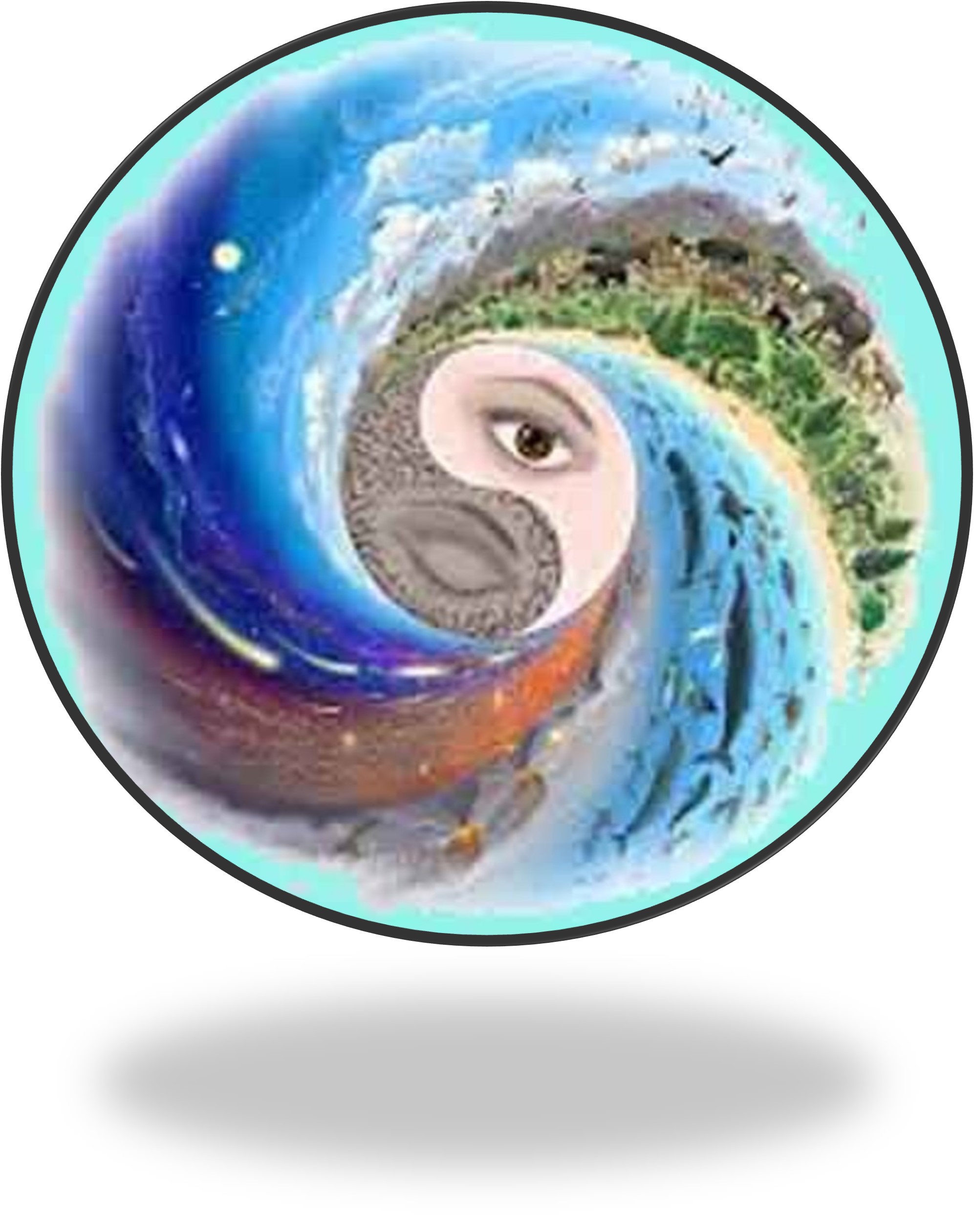
“Everything an Indian does is in a circle,” said Black Elk, the Sioux religious leader. “Even the seasons form a great circle in their changing and always come back again to where they were. The life of a man is a circle from childhood to childhood….”
This quote came to my attention as I was beginning a study of Ecclesiastes for my Wednesday night class. It speaks to the familiar phrase we often use like “life cycles,” or “circle of life,” or “going around in circles.”
This time of year reminds us of the repetitive nature of our lives. Fall is in the air. Yes, even in Florida. It’s 46 degrees here in Citrus county. In the Smoky Mountains, from where we just returned enjoying the gorgeous Fall foliage, it’s 29 degrees.
The days are getting shorter, as daylight lessens and darkness increases. Saturday night we set our clocks back one hour. Soon it will be Thanksgiving. Then Christmas. Then a new year. Then we repeat the cycle. Winter. Spring. Summer. Fall. “If the Lord wills.”
The Preacher was right.
That which has been is what will be,
That which is done is what will be done,
And there is nothing new under the sun.
Is there anything of which it may be said,
“See, this is new”?
It has already been in ancient times before us.
(Eccl. 1:9-10)
The Preacher illustrates his point by the constant, and repetitive aspects of nature, as we observe the earth, the sun, the wind, and the sea. These familiar cycles and their predictable movements are representative of “life under the sun,” an expression used 29 times in the book, describing the material and physical aspects of life.
Some might challenge the assertion “there’s nothing new,” but the writer is not speaking of means and methods, but life’s fundamental principles. Even the inventions of our modern age are only discovering what has already been possible. We just didn’t know it. The great inventor, Thomas Edison once said that his inventions were only “bringing out the secrets of nature and applying them for the happiness of mankind.”
Furthermore, consider the societal conditions The Preacher saw in his day.
- Injustice to the poor (4:1-3)
- Crooked politics (5:8)
- Incompetent leaders (10:6-7)
- Guilty people allowed to commit more crime (8:11)
- Materialism (5:10)
- Desire for “the good old days” (7:10)
Sound familiar? Indeed, “what has been, will be.”
Today, a little baby will be born into a family bringing the parents incredible joy and happiness. Also today someone will die, a mother, a father, a son, or a daughter, a brother, or sister, leaving those behind suffering sorrow and deep heaviness of heart. Those contrasting emotions are as old as time. It’s part of the cycle. “One generation passes away, and another generation comes” (Eccl. 1:4).
Like The Preacher we may try to make sense of it all as we enjoy pleasure, prosperity, food and drink, and all the good things life offers. These are repeated again and again. “The eye is not satisfied with seeing, Nor the ear filled with hearing” (1:10).
Recently, while in the Smokies, I asked Norma Jean, “Want to go to Cades Cove tomorrow?” She replied, “We’ve been there before.” I retorted, “Well, I’ve eaten chocolate pie before, but I would enjoy it again.” So, we went to Cades Coves. And ironically, we drove around in a 11 mile circle.
That’s life.
So, The Preacher offers the observation that “all is vanity.” In other words, it’s fleeting. Transitory. Transient. “Life under the sun” with all of its complexity, contradiction, joys, and sorrows and even a seemingly sameness is like “a vapor that appears for a little while then vanishes away” (Jas. 4:14).
Ecclesiastes is a not negative, but realistic book. It reminds us that “life under the sun,” is temporary. That our generation has its time. But we pass the torch to the next one. That we can enjoy the good that God has given us, but not to become infatuated and addicted to its pleasures. That our earthly wisdom has limits. That some problems can never be solved. That long lasting satisfaction cannot be achieved by wealth, possessions, power, position, prestige, or pleasure.
As we study Ecclesiastes we will be reminded what The Preacher came to realize as he ultimately looked beyond the sun, “Fear God and keep His commandments, for this is the whole of man (Eccl. 12:13).
The circle of life compels us to heed Moses’ exhortation: “So teach us to number our days, that we may apply our hearts unto wisdom” (Ps. 90:12).
–Ken Weliever, The Preacherman
 ThePreachersWord
Amen!!
LikeLike
We would learn more about our personal life if we would study Ecclesiastes more.
LikeLike
Pingback: Weekly Recap: October 30-November 3 | ThePreachersWord